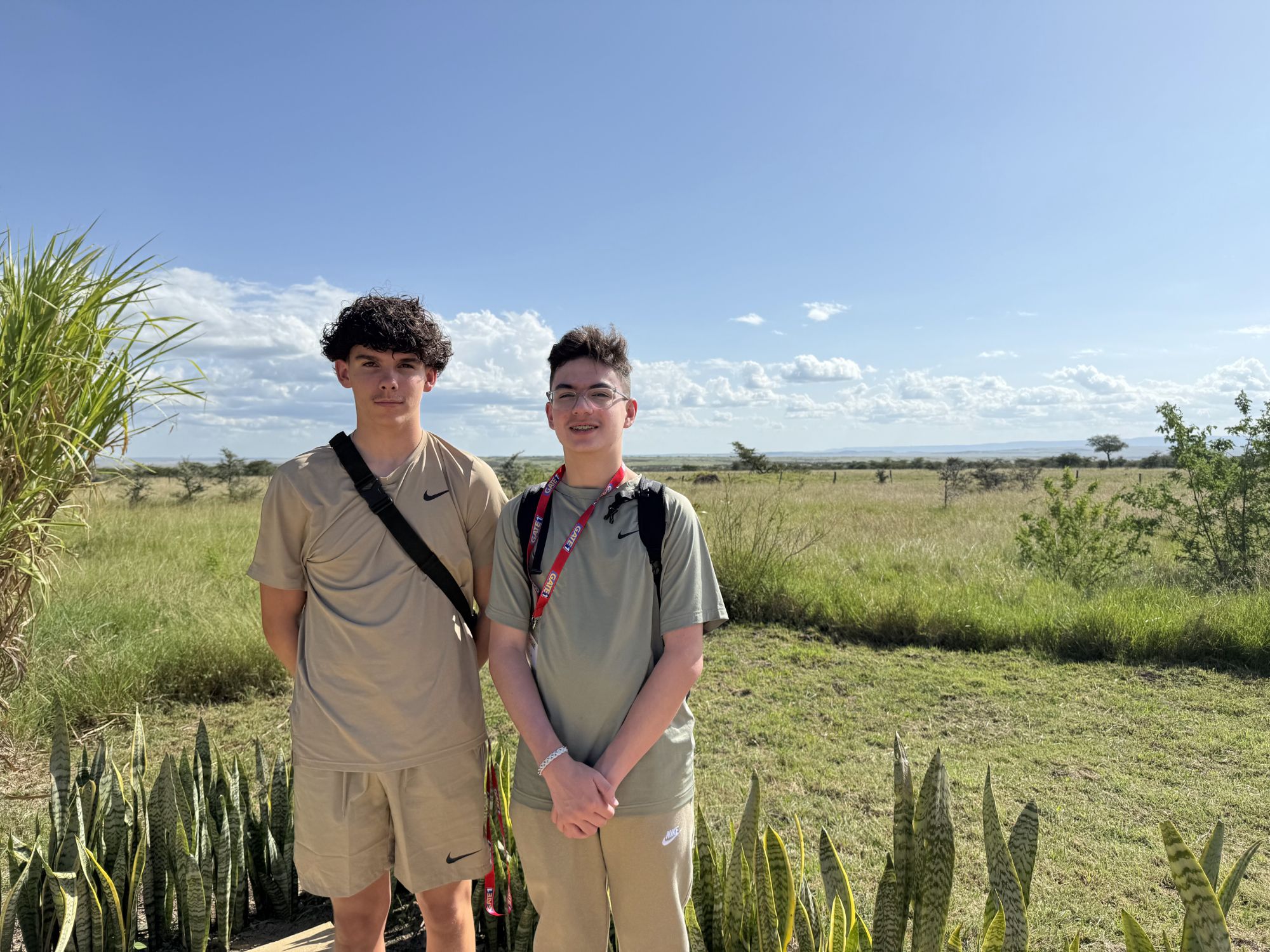
Let me start with a full disclosure: my boys are now teenagers. Like, full-blown teenagers—ay dios mio. Like, driving, blinded-by-love teenagers. However, we fostered these boys when they were mere preteens.
The reality for our kiddos and other older kids in foster care is that they are less likely to get adopted than younger children in care. This happens for various reasons, but often it stems from misconceptions about fostering older kids and perceptions of parenting an older child versus younger children.
As a matter of fact, the National Council for Adoption gives the following statistics:
70,418 children were awaiting adoption at the end of FY 2024. Out of those children:
- 3% were less than one year old
- 26% were aged 6-10
- 29% were aged 11-16
- 3% were aged 17
- 1% were aged 18-24
We adopted our oldest son when he was 11, and our middle child at 9. Our oldest was in 6th grade and the middle child in 4th grade. I’m sure every parent has a story or two about the magic that is parenting this wonderful age. I do as well! Trust me. After all, who wouldn’t have a story during a life transition when the child is shifting from childhood to adolescence—the most awkward time of their lives?
I want to share some parts of our journey, particularly what I learned from this experience.
1. Routine is equally important for the oldest as the youngest.
Stick to it! If dinner is at 6:00 and shower time is at 9:00, they know what to expect. Knowing what’s coming is the best thing for anyone who has experienced trauma. As a busy family, we never sacrificed these sacred times. When traveling, we keep the same schedule. We sometimes had to sacrifice other things we were doing to maintain bedtime, but it avoids any confusion and they are less likely to disobey.
2. Set clear expectations.
Be clear and consistent on expectations. If something is not working, then change your approach. Our children have ADHD and let me tell you, ambiguity is the devil. If an expectation is clear, there is no wiggle room, and they will have to learn problem-solving skills.
3. Shared “firsts” know no age limit.
Regardless of age, they are experiencing a world for the first time. Any experience you have planned with a 3-year-old can be done with an 11-year-old. As traveling parents, we have traveled as a family—us and the boys, us and Sophia. When experiencing adventure or anything for the first time, everyone is a child. Let me tell you, the boys’ interactions with the characters at Disney are a core memory. Plus, you can enjoy even more adventurous activities with older kids. Hike Mount Rainier? Sure they can. They’ll even encourage you to keep your pace. Coming up, we have a trip to the Galapagos – Sophia will be joining us. Because guess what, she’s about to be 9! The age we met Jordan.
This blog is not a know-it-all blog. We have three kiddos who continue to show us life. I continue to learn about myself as a parent and as a human through my interactions with our kiddos. I know that if you’re looking at fostering, take a peek at some of the older kiddos. They have much to teach you as well.


